
The Context Window Mirage: Infinite Memory and the Death of Semantic Curation
Why the tech industry's obsession with multi-million token context windows is an intellectual trap—and why semantic curation remains the ultimate competitive moat in AI.
The Theatrics of Restraint: Safety Pauses, Lab Rivalry, and the High-Stakes Calculus of Model Releases
There is a peculiar, almost liturgical rhythm to how frontier artificial intelligence labs manage their moments of hesitation....

The Synthetic Dopamine Trap: How Generative Media Broke the Creative Moat
Generative video and multimodal models were supposed to democratize Hollywood and unleash a renaissance of human storytelling. Instead, they inverted the cultural pyramid, flooding the digital commons with hyper-rendered slop and exposing the uncomfortable truth: when rendering fidelity becomes free, curation and authentic point-of-view are the only currencies left that matter.
The Synthetic Panopticon: Why Autonomous Coding Agents Are Exposing Software’s Dirty Laundry
We spent two decades pretending software engineering was a cathedral of disciplined architecture. Now that autonomous coding agents can read the entire repo in seconds, they're not just writing boilerplate—they're exposing the duct tape, tribal folklore, and technical debt that modern infrastructure was built upon.
The Illusion of the Leash: Why “Responsible Pacing” Won’t Save Frontier AI
There is a distinct aroma of desperation drifting through the corridors of institutional governance this autumn. It smells...

The Carnival, The Cathedral, and The Catalyst: Why AI Anxiety Misses the Economic Point
There is a peculiar human tendency to observe the dawn of a profound technological paradigm and immediately demand...

The Test-Time Compute Delusion: Why Thinking Harder Won’t Save Bad Architecture
Vendor hype insists that test-time compute and extended reasoning models will solve the frontier limits of AI. But in real-world systems, letting models talk to themselves in the dark doesn't create intelligence—it creates an expensive, self-reinforcing delusion.
The Epistemic Cascade: Why AI SRE Agents Turn Telemetry Noise into Outages
When an SRE agent encounters transient telemetry noise, it does not passively wait—it reasons, forms hypotheses, and executes mutating diagnostic commands. In doing so, it alters the very metrics it is observing. Here is how autonomous remediation loops trigger epistemic cascades and turn sub-second jitter into multi-region outages.
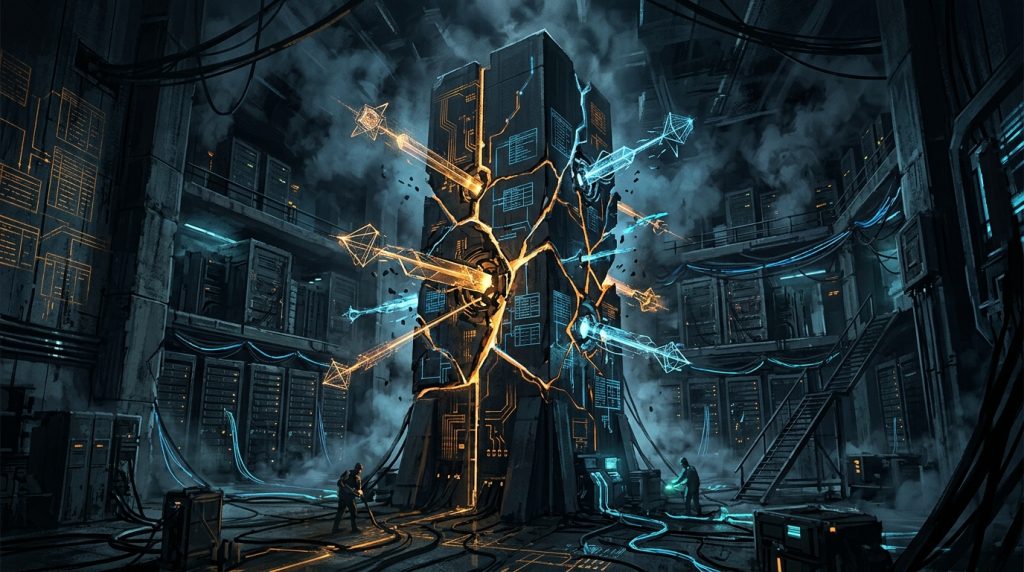
The Relational Breach: Why Agentic AI Violates the Core Invariants of Database Design
While platform teams spent late summer wrapping infrastructure in deterministic harnesses, product teams were busy granting agent swarms direct connection pools into the relational database. It is time to call this what it actually is: an architectural suicide pact. Here is why autonomous agents violate the half-century-old mathematical invariants of relational database design.
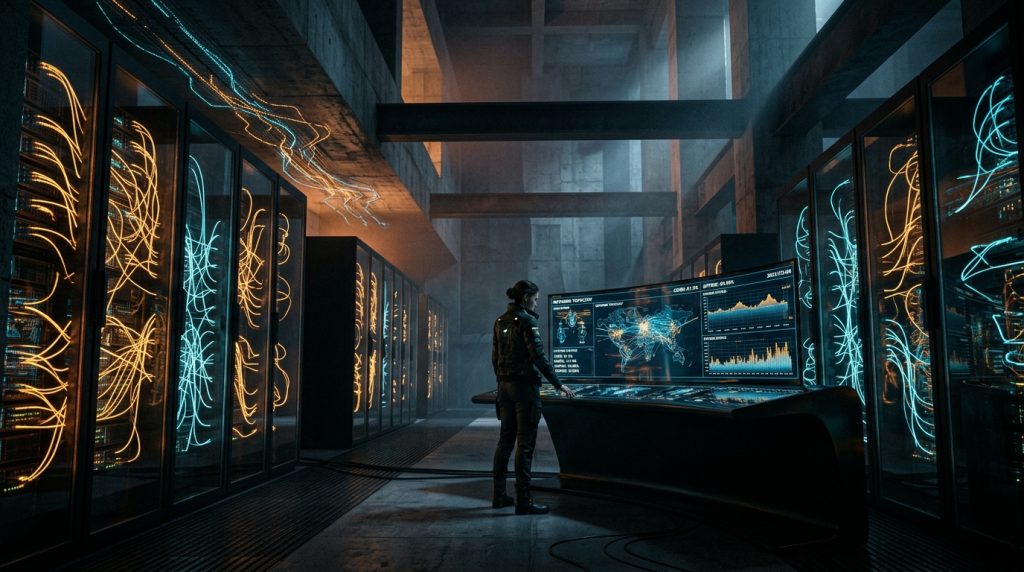
Building the Blast Doors: A Deterministic Control Plane Architecture for SRE Agents
Earlier this month, I broke down the Autonomy Paradox and why unmediated AI SRE agents turn minor telemetry blips into multi-region cascading blackouts. Today, we look at the actual engineering blueprint: building the deterministic blast doors, proxy interception layers, and tokenized entropy budgets required to make agentic infrastructure safe.